
Start Here
Preparedness on a Real-Life Budget
How to build your plan one useful decision at a time without buying everything at once.
Save to Pinterest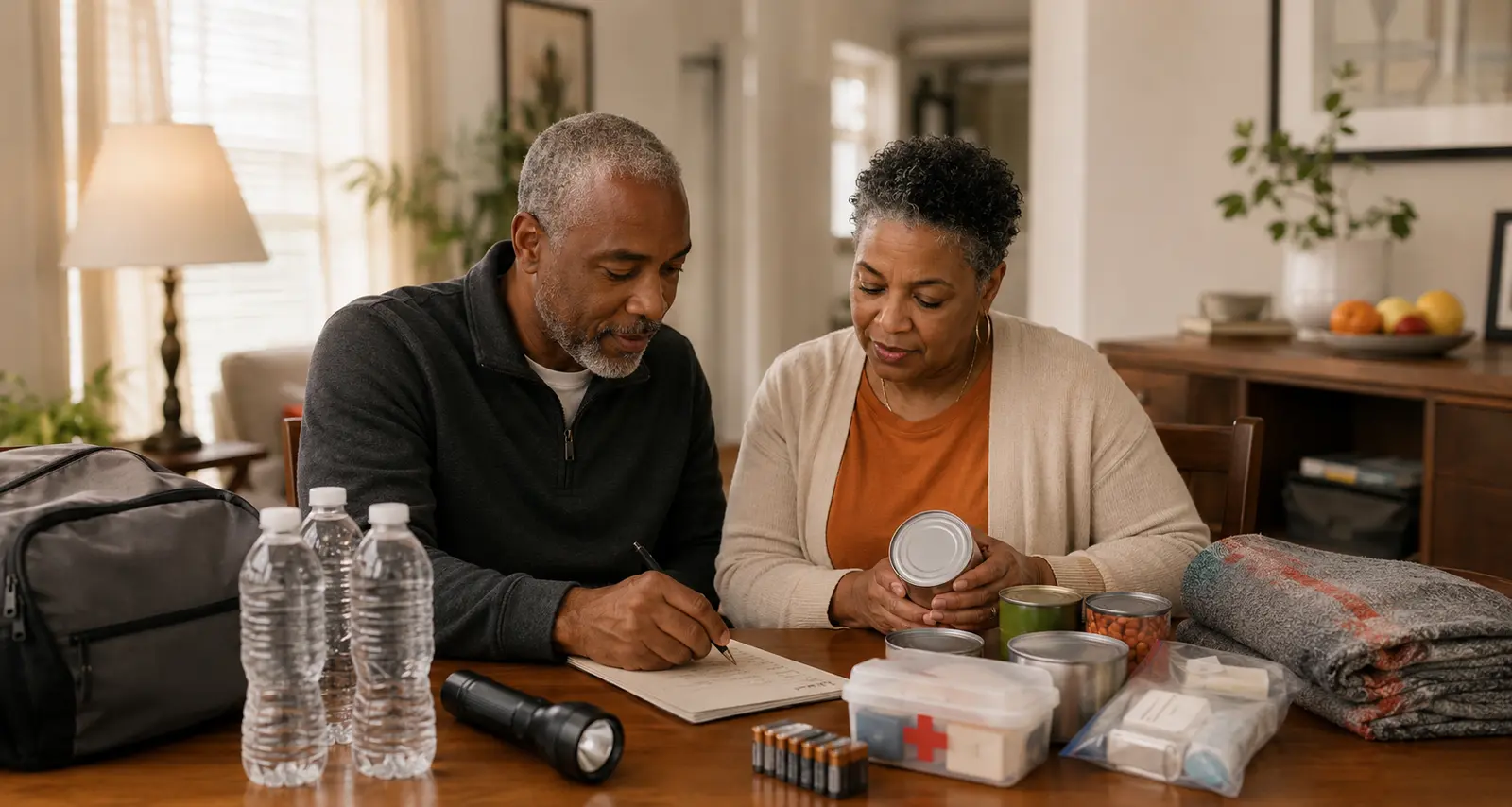
Preparedness is not a shopping contest. The strongest first steps are usually a written plan, working supplies you already own, and a small weekly habit that fits your actual budget.

Written by Coach Dex
Practical guidance, checked against primary sources
Coach Dex is the founder and author behind SWC. Safety-sensitive guidance is checked against current government, public-safety, utility, or manufacturer information before publication.
Inventory before you buy
Walk through your kitchen, medicine cabinet, closets, vehicle, and tool drawer. Many households already have useful items but do not know where they are or whether they work.
- Gather flashlights and check batteries
- Count shelf-stable meals you already eat
- Locate first-aid supplies and expiration dates
Build by problem, not by product
Choose one household problem at a time—light, communication, water, food, medication, or documents—and solve the most important gap first.
- Set a small weekly or monthly preparedness amount
- Buy multipurpose items before specialty gear
- Choose familiar food and rotate it into normal meals
Spend on reliability
The cheapest item is not a bargain if it fails. For safety equipment, charging, heating, and water treatment, use reputable products and follow manufacturer instructions.
- Prioritize smoke and carbon monoxide alarms
- Avoid unverified medical or water-treatment claims
- Keep receipts and record replacement dates
Do this today
Your next three steps
- 1Complete a 15-minute home inventory
- 2Choose your single biggest gap
- 3Add one useful item to next week’s grocery list
SWC provides general education. During an active emergency, follow local officials and the appropriate authorities.